
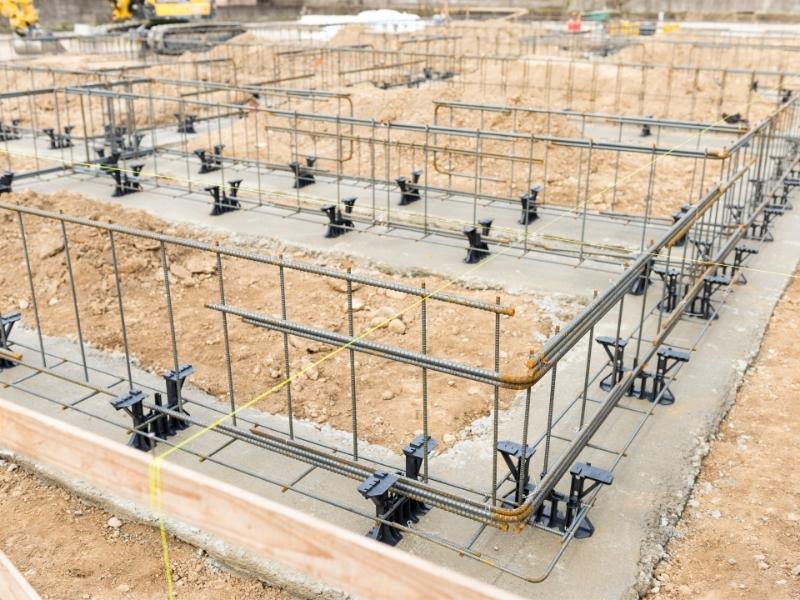
Moving a 40-ton press into a building is the easy part. The harder question is whether the floor and soil beneath it can carry that weight, handle the vibration, and stay level for years. Cracked slabs, misaligned machines, and costly downtime often trace back to a foundation that was never checked for the new load. A foundation engineering review before installation helps owners, plant managers, and contractors protect both the equipment and the building.
Evaluating Soil Conditions and Foundation Load-Bearing Capacity
Every foundation depends on the soil below it. Load-bearing capacity is the amount of pressure the soil can support without excessive settlement or failure. Heavy equipment concentrates weight on a small area, so the pressure under its feet or base can be much higher than what a typical floor sees. A geotechnical engineer can estimate allowable bearing pressure using borings, lab tests, and sometimes field load tests.
Existing records are a good starting point. Original geotechnical reports, foundation drawings, and fill compaction records show what the building was designed to carry. Many industrial floors were designed for forklift traffic and racking, which may not match a new machine’s concentrated loads. When records are missing or outdated, new soil testing is usually worth the cost.
Soil conditions can vary across a single building. Old fill, soft clay pockets, high groundwater, or buried debris may sit right where the equipment is planned. Testing at the actual equipment location gives a clearer answer than relying on data from elsewhere on the site.
Checking Concrete Strength and Existing Foundation Integrity
The concrete slab or foundation must be strong enough to spread the equipment load to the soil. Engineers look at slab thickness, reinforcement, concrete strength, and joint layout. Original drawings may list design values, but actual conditions can differ. Field testing confirms what’s really there.
Common methods include taking concrete cores to measure thickness and compressive strength. Ground-penetrating radar can locate reinforcing steel, post-tension tendons, and embedded conduits without cutting the slab. Visual surveys document existing cracks, spalling, joint damage, and signs of past settlement. Those findings help the engineer decide whether the slab can carry the load or needs upgrades.
- Cut out the slab and pour a dedicated, thicker equipment foundation.
- Add deep foundations, such as piers or piles, to reach stronger soil.
- Use a steel or concrete base frame to spread loads over a larger area.
The right option depends on the loads, soil conditions, schedule, and budget. An isolated foundation, separated from the main slab by a joint, is often used to keep vibration from spreading into the floor.
Reviewing Equipment Loads, Vibration, and Structural Stability
Equipment loads come in several forms. Static loads are the machine’s weight at rest. Dynamic loads come from moving parts, impacts, and start-up forces. Some equipment, such as presses, compressors, and crushers, can create forces several times greater than their static weight. The manufacturer’s installation data should list these loads, along with anchor bolt requirements and level tolerances.
Vibration deserves careful attention. If the foundation’s natural frequency is close to the equipment’s operating frequency, vibrations can build up through resonance. That can damage the machine, crack the foundation, and disturb nearby equipment or workers. Engineers can analyze the foundation’s dynamic response and adjust its mass, stiffness, or isolation to reduce the risk.
Structural stability goes beyond the foundation itself. Overturning forces, uplift, and lateral loads from moving parts must be resisted through anchors and foundation design. Nearby columns, walls, and footings may also feel added loads or vibration. A structural engineer should review how the new equipment interacts with the existing building.
Assessing Site Drainage and Foundation Settlement Risks
Water is a common source of foundation problems. Poor drainage around a building can soften soil beneath the slab and reduce its bearing capacity. Equipment pits, trenches, and below-grade foundations can collect water if groundwater is high or drainage is poor. Engineers should check roof drains, site grading, and groundwater levels near the installation area.
Settlement risk depends on soil type, load, and moisture. Total settlement is how much the foundation moves downward overall, while differential settlement is uneven movement across the base. Many machines tolerate very little differential settlement before alignment suffers. Manufacturer tolerances help set design targets.
Process water and leaks can also affect performance. Equipment that uses coolant, wash water, or hydraulic fluid may need drainage, containment, or protective coatings. Planning these details early keeps the foundation from deteriorating under regular operation.
Final Foundation Inspections Before Heavy Equipment Installation
Before setting equipment, the foundation needs a final check. Inspectors confirm that elevations, dimensions, and anchor bolt locations match the approved drawings and manufacturer requirements. Small layout errors can make installation difficult or impossible. Catching them before the rigging crew arrives saves time and money.
Concrete must reach the required strength before loading. Test cylinders or other strength verification methods confirm the concrete is ready. Grout under base plates should be placed and cured according to the product and design requirements. Rushing this step can lead to cracked grout and misaligned equipment.
Documentation completes the process. Inspection reports, test results, and as-built drawings create a record for future maintenance, warranty claims, or equipment changes. Periodic monitoring after installation, such as level checks and crack observations, helps catch early signs of settlement or vibration issues.
Frequently Asked Questions
What is foundation engineering for heavy equipment?
It’s the process of evaluating and designing the foundation that will support a machine. Engineers review soil conditions, concrete capacity, loads, and vibration. The goal is to keep the equipment level, stable, and safe. It may involve upgrades or a new dedicated foundation.
Can heavy equipment sit on an existing slab?
Sometimes it can. The answer depends on slab thickness, reinforcement, concrete strength, soil conditions, and equipment loads. Testing and analysis help confirm whether the slab is adequate. If it isn’t, the engineer may recommend a new or reinforced foundation.
Why does vibration matter for equipment foundations?
Vibration can damage equipment, foundations, and nearby structures. Resonance can amplify movement if frequencies line up. Engineers design foundations to reduce that risk. Isolation joints and mass adjustments are common solutions.